


Designed & Boosted by My Social State




After a Concussion: Why the Spine Matters for Brain Recovery
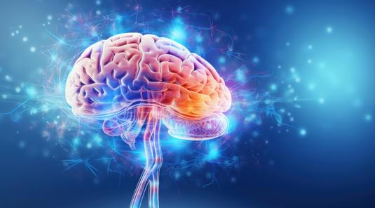
Brain Injury Awareness Month is an important reminder: recovery after a concussion or traumatic brain injury (TBI) isn’t always quick, clean, or predictable. Some people bounce back fast. Others are left with lingering symptoms that don’t make sense on paper—headaches that won’t quit, dizziness, brain fog, sleep disruption, irritability, anxiety, light sensitivity, sound sensitivity, balance problems, or the feeling that their system just can’t “settle.”
And one of the most helpful shifts a person can make is this:
A brain injury rarely affects only the brain.
The same force that disrupts the brain often disrupts the neck, posture, balance system, and nervous system regulation. That matters, because the brain doesn’t heal in isolation. It heals as part of a larger neurological network—constantly receiving information from the spine and body, deciding what’s safe, and adjusting how it controls motion, focus, and stress response. When that system is noisy or unstable, recovery can feel slow and frustrating.
Why The Spine Matters When The Brain Is Trying To Heal
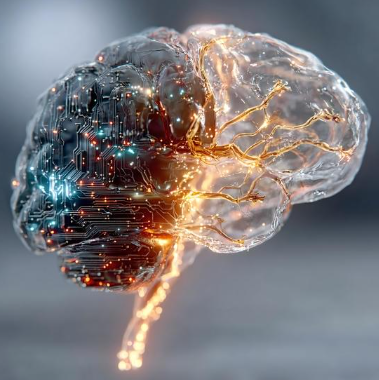 Your brain is an integration center. It’s taking in sensory input all day long—especially from the cervical spine, where dense neurological receptors send information about movement, position, and orientation. After a concussion or TBI, this system can become dysregulated. If the neck joints aren’t moving well, if the muscles are guarding, or if posture collapses into compensation, the brain may receive distorted or “noisy” input.
When the brain is already stressed, that extra noise can keep the nervous system stuck in a loop. Symptoms may vary person to person, but the pattern is familiar: headaches and pressure sensations, dizziness or feeling “off,” visual strain and screen intolerance, fatigue and overwhelm in busy environments, sleep disruption, and heightened stress sensitivity. It’s not that the person isn’t trying hard enough—it’s that their nervous system is operating with poor input + poor processing + poor regulation.
What The Research Conversation Is Pointing Toward
If chiropractic were only about moving bones, it wouldn’t be relevant here. But modern neurophysiology-based chiropractic doesn’t stop at the spine—it focuses on how spinal function influences the nervous system, including brain-based processing.
Researchers like Dr. Heidi Haavik have helped bring this into clearer scientific focus. A consistent theme in her work is that spinal adjustments can produce measurable changes in sensorimotor integration—how the brain processes sensory input, coordinates movement, and updates its internal “map” of the body. In a recovery context, that matters because healing isn’t just symptom reduction. It’s neurological re-organization.
Educators like Dr. Dan Murphy have long emphasized the real-world overlap between concussion patterns and cervical involvement—especially how neck dysfunction can contribute to symptoms that get labeled purely “brain-based.” And technique leaders like Dr. Jay Holder (Torque Release Technique) have contributed to a chiropractic philosophy that treats the adjustment as a meaningful neurological input—one that can influence regulation and adaptability, not just musculoskeletal comfort.
Put simply: the spine is not separate from brain recovery. It’s part of the brain’s information system. So chiropractic care is not a “nice extra.” For many people, it’s a practical way to support how the nervous system recalibrates after injury.
What chiropractic care is really aiming to do after TBI
Chiropractic isn’t stepping in because “no one suspects the neck.” Chiropractic steps in because the adjustment influences the spine–brain connection, and that connection matters in recovery. The clinical goals are usually twofold:
1) Improve the quality of neurological input.
When joints are restricted and tissues are guarding, the brain receives altered signaling. A specific chiropractic adjustment is designed to restore motion and improve afferent input—helping the brain receive a clearer message from the body.
 2) Support regulation and adaptability.
After TBI, many patients live in a state of heightened sensitivity—more reactive to stimulation, stress, motion, light, and sound. Chiropractic care often focuses on improving the nervous system’s ability to adapt rather than overreact.
When the nervous system begins to regulate more effectively, other supports often start to land better too—movement, vestibular or visual rehab, graded exercise tolerance, sleep hygiene, nutrition, and cognitive recovery strategies.
The bottom line
If you’re dealing with lingering symptoms after a concussion or TBI, you deserve a plan that matches the reality of how the nervous system works. The brain heals best when it receives better input, has less interference, and can regulate stress and movement again.
Chiropractic care supports that process by addressing the spine not just as structure—but as a neurological gateway—helping the nervous system reorganize, adapt, and heal.