


Designed & Boosted by My Social State




American Heart Month: A Heart-Healthy Strategy Most People Miss – Your Nervous System
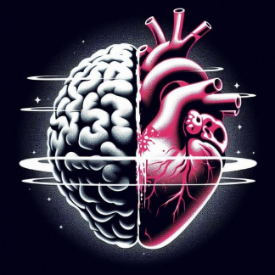 When we talk about heart health, we usually jump straight to numbers: blood pressure, cholesterol, labs, medications. Those matter. But there’s a deeper layer that quietly influences all of it:
Your heart is regulated beat-by-beat by your autonomic nervous system—the part of your nervous system that controls heart rate, blood vessel tone, breathing rhythm, and your stress/recovery response.
That’s why a truly heart-focused lifestyle plan isn’t only about what you eat or what you take. It’s also about how well your body can shift out of stress mode and into recovery—and how efficiently the brain and body communicate.
This is where chiropractic fits in a powerful, supportive way.
What We’re Learning About HRV and Chiropractic
One of the most common ways researchers study autonomic balance is heart rate variability (HRV)—the natural variation in time between heartbeats. In general, HRV is viewed as a marker of your body’s ability to adapt, recover, and regulate.

Dr. Stephanie Sullivan (Life University) focuses on advancing human resilience and studying the mechanisms of chiropractic care—particularly how the nervous system responds. Life University has highlighted research that measures physiologic markers like HRV (via ECG and related tools) and explores how the body’s stress and recovery signals may shift following chiropractic care.
This work fits into a broader body of chiropractic neurophysiology research. For example, Dr. Heidi Haavik has published work describing how chiropractic adjustments can influence brain-body communication—things like sensory processing and sensorimotor integration (how the brain organizes input from the spine and body to coordinate function).
Put simply: the spine is not just “structure.” It’s a major information highway to the brain—and when that communication improves, it may support healthier regulation and adaptability, which is highly relevant to cardiovascular resilience.
How Chiropractic Can Support Heart-Related Health
Chiropractic care doesn’t replace your cardiologist or medical care. It supports the nervous system and mechanical foundations that make heart-healthy living easier to sustain.
- Improves posture and breathing mechanics. Breathing is one of the fastest ways to influence your nervous system. Thoracic mobility, rib motion, and posture all affect how efficiently you breathe—especially under stress.
- Makes consistency easier. Walking, strength training, sleep routines, hydration, and stress management are “heart medicine.” Chiropractic helps remove common barriers—stiffness, limited motion, recurring tension patterns—so you can follow through.
- Supports the bigger nervous-system conversation behind blood pressure. Dr. Sullivan’s work discusses blood pressure regulation through neurophysiologic and autonomic mechanisms—another reminder that cardiovascular function is deeply tied to nervous system regulation.

Prevention Before Prescriptions
Medications can be appropriate—and sometimes life-saving—but most heart problems develop quietly for years before a prescription is ever written. That’s why prevention matters so much. The best way to avoid needing medications later is to take care of the body early and consistently—supporting blood pressure, sleep, movement, inflammation, and stress resilience.
That’s where chiropractic care fits in. Chiropractic doesn’t replace your cardiologist, but it can support the nervous system and spinal function, which helps many people regulate stress better, breathe and move more efficiently, sleep more deeply, and stay consistent with the daily habits that protect the heart.
Simple Heart Month Action Steps

If you want a practical, sustainable plan this February, start here:
- Walk daily (even 10 minutes counts)
- Breathe with intention (slow inhale, longer exhale for 2–3 minutes)
- Get your spine and nervous system checked (because heart health is nervous system health, too)
Start where heart health starts—your nervous system. Schedule your check-in today.